An open flue on a house that stands empty for months is an invitation. Birds see a sheltered shaft, squirrels see a nesting site, and every winter storm drops water straight onto the damper. Owners of second homes and rentals around Brea tend to discover this when they arrive for the holidays and the first fire fills the room with smoke.
A cap fixes most of that for good. This post covers what sets the price of one, why caps differ, and what you should expect from whoever installs it.
How we price a cap
Trent Chimney Services fits and fastens caps, and we put a figure on one only after measuring the flue. No two chimney tops are the same.
The least work is one cap clamped onto a lone round or square clay tile. The biggest job is a custom cover that spans the whole top of a wide chimney with several flues, made to measure from heavier metal.
What sets the cap price
Four things set your cap price.
- How many flues. One flue takes a single cap. A chimney that carries a fireplace flue and a furnace flue side by side often needs one cover over both, or two separate caps.
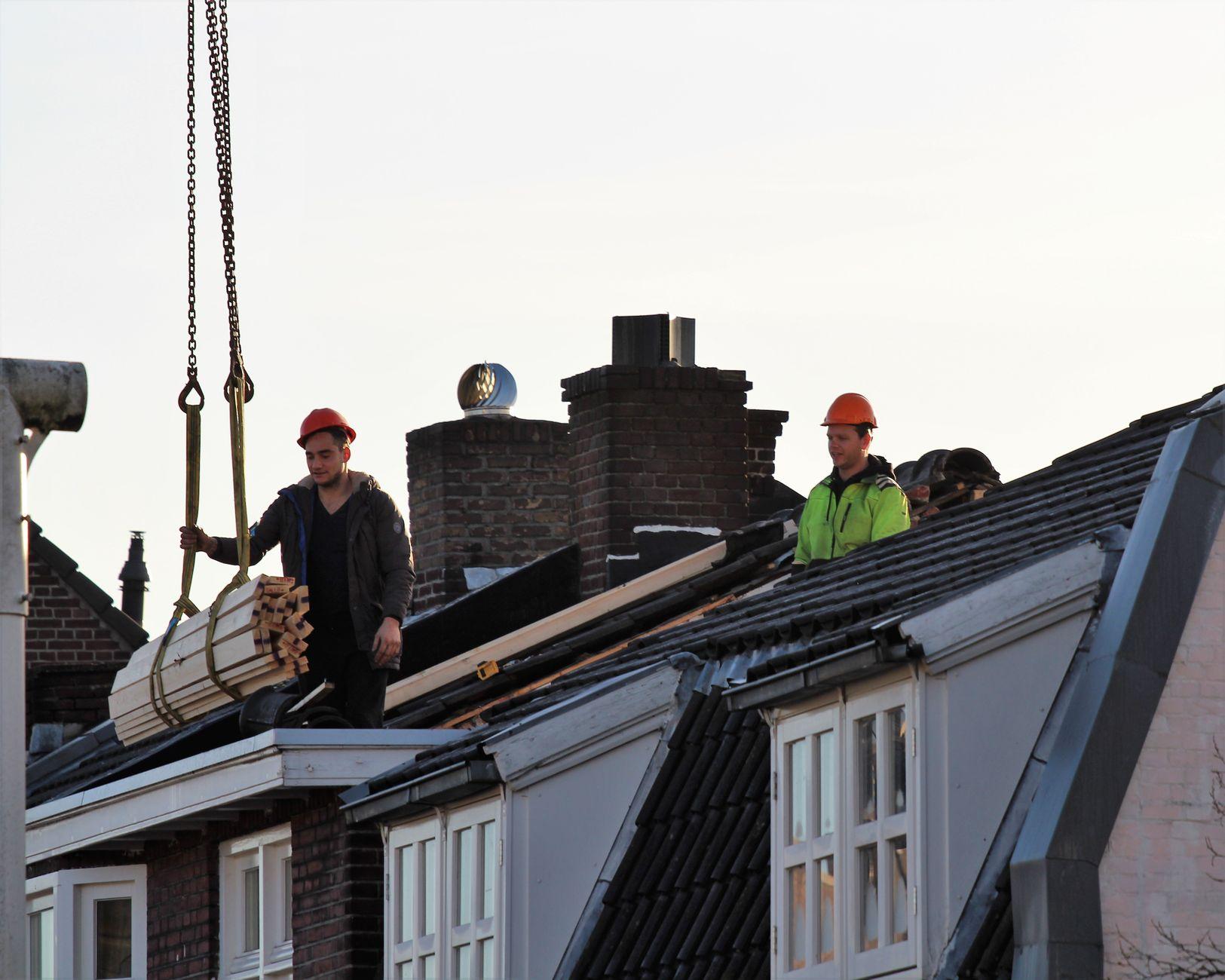
- The shape of the top. A round clay tile poking up through a crown takes a standard cap. An oversized or irregular top, or a tile that sits flush with the crown, needs a cap built to the measurement.
- Material. Galvanized steel costs least and suits a house that will be repainted and maintained. Stainless steel lasts much longer in the marine air that reaches into north Orange County. Copper costs the most and is chosen mostly for looks.
- Roof access. A low single-story roof with a gentle pitch is quick. A steep tile roof or a two-story stack takes more setup and more time.
What the cap has to do on a seasonal house
For a house that is occupied every day, a cap is mostly about rain and sparks. For a house left closed, it also has to keep out animals that have weeks of quiet to work on it. That changes what we fit:
- Screen mesh small enough to stop birds and rodents, but open enough not to clog with soot.
- A lid that sits high enough above the flue to let smoke out freely and low enough to stop driving rain.
- Fasteners that will not let a raccoon lift the whole cap off.
- On homes near brush, spark screening that meets the local fire rules.
If you burn wood, we look at the screen size against how often you burn. A screen that clogs with creosote will choke the draft, so a fireplace used heavily needs a cap that can be reached and brushed off at each sweep.
Signs you need one now
- The flue has no cap at all; you can see the open tile from the street.
- A cap is there but rusted through, bent or missing its screen.
- You hear scratching or chirping from the fireplace.
- Twigs, leaves or droppings land on the damper or grate.
- The firebox is wet after a storm.
If any of these apply, an inspection before the next fire is worth booking. A nest in the flue is a fire hazard and can also send smoke back into the room.
Who to hire
A cap looks like a simple part, and some handymen will sell one. A few points separate a cap that lasts from one that blows off in the first Santa Ana wind:
- They measure first. A cap ordered to a guess either does not fit or leaves gaps for animals.
- They clear the flue before fitting it. Capping over a nest just traps it.
- They check the crown. A cap screwed into a crown that is already cracked will work loose. If the crown needs work, you should hear that before the cap goes on, not after.
- They put the price in writing. You should know the cap, the material and the total before the visit ends.
On a house where the owner is out of town, the crew should also send photos of the finished cap so you can see what you paid for.
What decides your price
Before we give a final figure we need the count and size of the flues, the shape of the top and the roof access. Fill in the form at the top of this page and tell us the address, whether you know of more than one flue, and the type of roof. We come out, measure, and give you a written price before we fit anything. If the flue needs clearing first, that is included in the visit.
Pairing the cap with the season
Our usual advice for a part-time house in Brea is to fit the cap at the end of your stay, not the start. That way it is in place for the months the house is empty, which is when animals move in. If you arrive for the season and find a nest already there, we clear it, inspect the flue and fit the cap in the same visit.
Gas fireplaces need caps too, but the vent cap on a gas appliance is a listed part from the manufacturer. We replace that with the matching part rather than a generic cap.
Related services
- Chimney cap installation, with photos of our usual fittings.
- Chimney inspection to see what the flue looks like before the cap goes on.
- Crown repair when the top of the chimney itself has cracked.
- Our post on second home chimney check prices covers the inspection side.
When you are ready to close up the house with the flue covered, reach us on the contact page and tell us which weeks the house will be empty.
Closing Up or Opening Soon?
Trent Chimney Services checks caps, flues, dampers and gas burners for houses around Brea that sit empty part of the year. Tell us your dates on the contact page and we plan the visit around them, with notes and photos sent to you afterward.